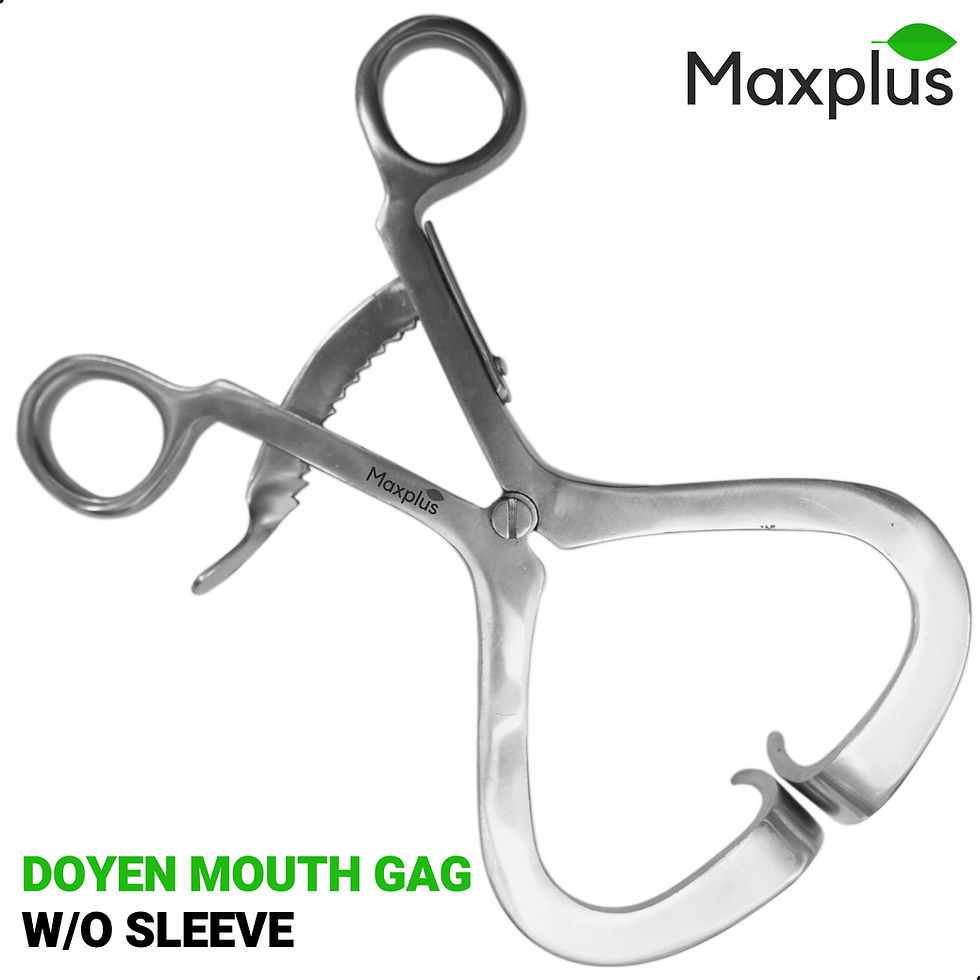
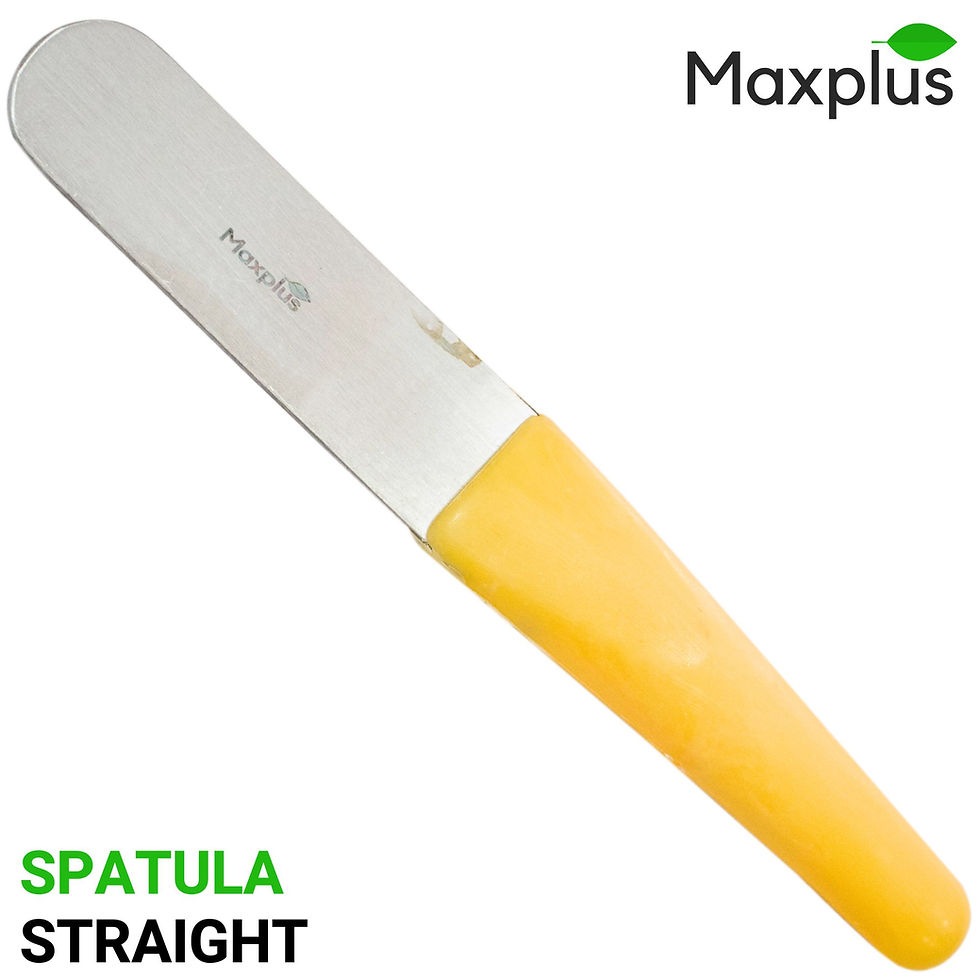
Max Plus Surgical scissors are specialized cutting instruments available in various designs such as straight, curved, sharp/blunt, Mayo, Metzenbaum, Iris, and dissecting scissors. Each type serves a unique purpose—ranging from cutting dense tissues to performing fine dissection.
How to Use Surgical Scissors
Hold the scissors firmly with thumb and ring finger in the finger rings.
Stabilize with the index finger for better control.
Choose the correct blade type depending on the tissue (sharp or blunt).
Use smooth, controlled motions to cut or dissect.
Clean, lubricate, and sterilize thoroughly after every use.
Key Uses of Surgical Scissors (Quick Points)
Cutting tissues during procedures
Trimming sutures
Dissecting soft tissues
Cutting gauze, bandages, and surgical drapes
Fine dissection in sensitive surgeries
Removing dead tissue in wound care
We Deal With:
United States
Germany
Japan
India
United Kingdom
France
Italy
Russia
Canada
Brazil
Spain
Mexico
South Korea
Australia and many more
Surgical Scissors - Stainless Steel
Buy Gyno Instruments ,add Pregnancy Wheel for Free · Buy 5 get 5%
Material
SS304
Key Features
-
High-grade stainless steel for superior strength
-
Precision-sharpened blades for smooth and accurate cutting
-
Available in straight and curved designs
-
Different blade combinations (sharp–sharp, blunt–blunt, sharp–blunt)
-
Corrosion-resistant and autoclavable
-
Ergonomic finger rings for comfort and control
-
Ideal for general, minor, and specialized surgeries
-
Durable edges that retain sharpness for longer use
-
Product Categories
Max Plus Surgical Scissors are used across:
1. General Surgery
Cutting tissues, sutures, dressings, and bandages.
2. Gynecology & Obstetrics
Trimming membranes, tissues, and sutures.
3. Plastic & Cosmetic Surgery
Precise dissection for fine cosmetic procedures.
4. Orthopedics & Trauma Care
Cutting tough tissues or dressings in emergency settings.
5. Minor Surgical Procedures
Used in suturing kits, first-aid, and outpatient clinics.
6. ENT & Ophthalmic Surgery
Delicate trimming and micro-dissection with finer scissors.