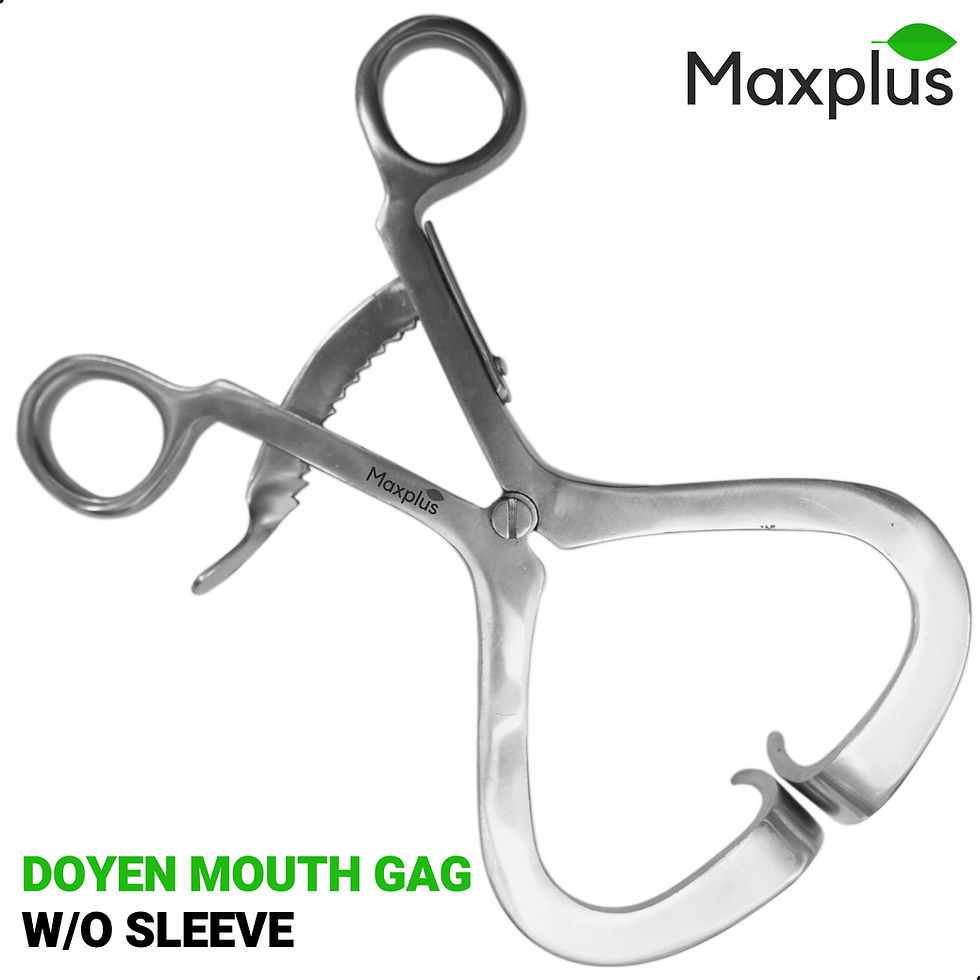
Max Plus Intestinal Clamp is a specialized surgical instrument used to occlude, hold, or isolate a section of the intestine during abdominal procedures. It helps surgeons control bowel movement, minimize contamination, and maintain a clean and stable surgical field. Max Plus manufactures these clamps using premium-grade surgical stainless steel, ensuring smooth edges, gentle handling, and strong but atraumatic pressure, which is essential for delicate intestinal tissues.
How to Use an Intestinal Clamp
Identify the segment of the intestine that needs occlusion or stabilization.
Hold the clamp by the finger rings and position the jaws gently across the bowel.
Apply pressure slowly until the clamp holds the intestine without crushing it.
Ensure that the clamp provides secure occlusion but maintains tissue viability.
After use, follow strict sterilization protocols to maintain instrument longevity.
Uses of Intestinal Clamp
Temporarily occluding a segment of the intestine during surgical repairs
Preventing spillage and contamination during bowel resections
Stabilizing and isolating segments of the gastrointestinal tract
Maintaining a clean surgical field during open or laparotomy procedures
Assisting surgeons in handling intestines during anastomosis, resection, or repair
These clamps are crucial in procedures involving the small intestine, large intestine, colon, or rectal surgeries.
Intestinal Clamp
Buy 5 get 5% · Buy 1 Get 1%
Key Features
-
Atraumatic jaws designed to prevent crushing or damaging intestinal tissue
-
High-precision alignment for secure and controlled occlusion
-
Corrosion-resistant stainless steel for long-lasting durability
-
Smooth, polished finish for easy cleaning and sterilization
-
Ergonomic finger rings providing excellent grip and comfort
-
Autoclavable and reusable, ideal for sterile surgical environments
-
Available in various shapes & sizes depending on surgical requirements
-
Product Categories
-
General & Gastrointestinal Surgery – bowel resection, anastomosis, obstruction treatment
-
Trauma Surgery – managing intestinal injuries or perforations
-
Colorectal Surgery – colon resections, tumor removal
-
Emergency Surgery – controlling contamination during ruptured intestine cases
-
Laparotomy Procedures – isolating bowel loops
-